
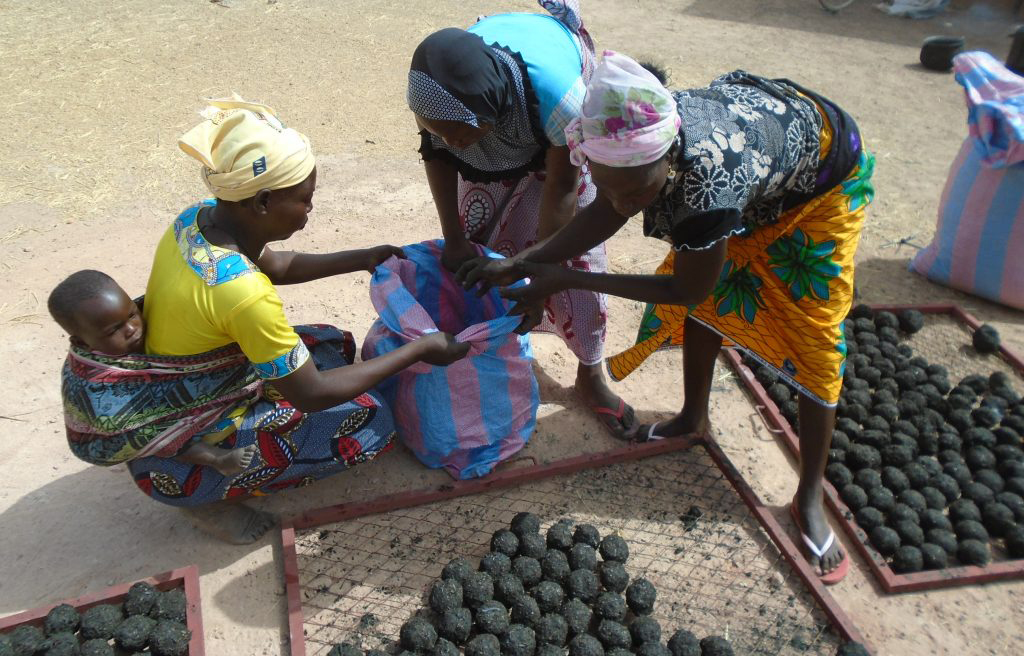

In a world where the effects of climate change are increasingly visible, it is becoming imperative to seek sustainable solutions that not only protect the environment, but also improve the lives of vulnerable populations. A striking example of this integrated approach is the work carried out by JAMAA Grands Lacs to mentor and train displaced women in the production of ecological charcoal. This project, which links sustainable development and women's empowerment, has not only protected forests, but also offered a tangible alternative to women affected by conflict.
The Impact of Conflict on Displaced Women
Armed conflicts in Africa's Great Lakes region have displaced millions of people, many of them women and children. These displaced women, often in very precarious situations, find themselves in a daily struggle for survival. Access to resources such as firewood has become a major challenge, as the forests, already weakened by war and abusive logging, are often too remote and dangerous to reach without risking violence.
Women, who are primarily responsible for collecting wood for their households, are frequently victims of sexual violence when they venture into the forests in search of fuel. This situation highlights the need for innovative solutions that simultaneously protect ecosystems, reduce risks for women, and improve their safety and socio-economic well-being.

The Role of JAMAA Grands Lacs: A Sustainable Solution
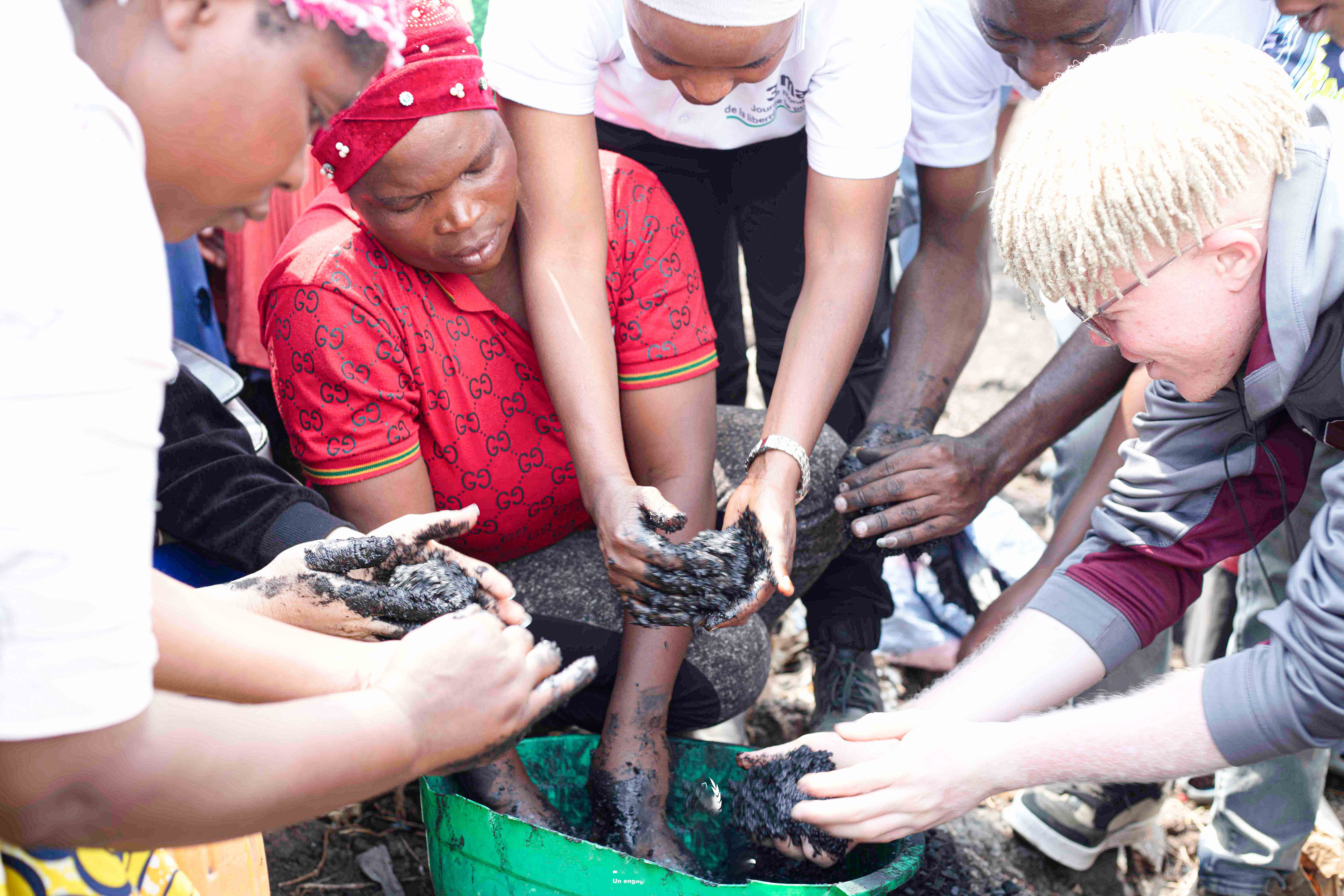
Against this backdrop, JAMAA Grands Lacs has initiated a training program for displaced women. The program focuses on the production of ecological charcoal, a sustainable and environmentally-friendly alternative to traditional charcoal produced from cut wood. By training women in this practice, JAMAA Grands Lacs helps them to produce quality fuel, while preserving forests and reducing pressure on these vital ecosystems.
Ecological charcoal, made from agricultural residues such as palm nut shells or corncobs, is not only a cleaner solution but also a resource that helps maintain sustainable forest management. By replacing conventional charcoal with ecological alternatives, the program helps to reduce the frequency of logging, a crucial issue in the fight against deforestation and climate change.
Empowering women and improving socio-economic conditions
The most significant aspect of this program is the empowerment of displaced women. In addition to enabling them to produce eco-friendly charcoal, the training courses offer entrepreneurial and technical skills that strengthen their ability to generate income. These skills open the way to new economic and social opportunities, and enable them to improve the living conditions of their households.
In addition, the production of ecological charcoal creates jobs and offers stable sources of income for these women. This source of income helps to improve food security and children's education, thus strengthening the foundations of community development.
Reducing the risk of sexual violence
Another major impact of this program is to reduce the risk of sexual violence. By providing an alternative to collecting wood in the forests, women are less exposed to the dangers associated with these activities. They no longer have to venture into dangerous areas, where they are often confronted with violence, aggression or sexual abuse. This approach contributes directly to their safety and the reduction of gender-based violence.
A Model to be Replicated
The work of JAMAA Grands Lacs is a model of resilience and sustainability. It proves that women, even in highly vulnerable situations, can play a central role in the fight against climate change, while improving their own living conditions. This project demonstrates that it is possible to reconcile climate action, women's empowerment and the reduction of gender-based violence, by adopting innovative and inclusive solutions.
With this approach, displaced women are at the heart of climate solutions that protect not only our planet but also our communities. By supporting initiatives like those of JAMAA Grands Lacs, we are helping to create a fairer, more sustainable future for all populations, especially those who, like displaced women, are often left out of discussions on climate change. Displaced women are not just victims; they are essential actors for change and sustainable development.